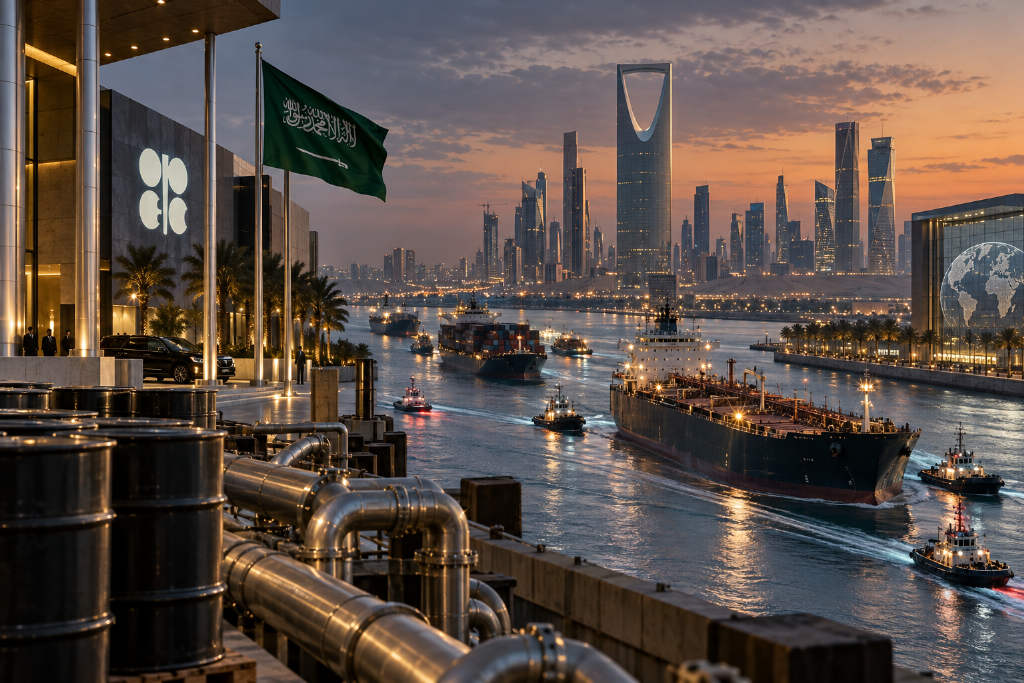
OPEC+2026-10-12 17:36:47OPEC+ Reaffirms Joint Mechanism to Keep Oil Market Stable at Riyadh MeetingMinisters from OPEC and non-OPEC oil-producing countries met in Riyadh, Saudi Arabia, and reaffirmed their commitment to maintaining oil market stability through a joint mechanism, according to ChainCatcher. OPEC+ said disruptions to energy transportation have pushed shipping and insurance costs to more than one-third of the value of the commodities being moved. The group said that situation is obstructing the transport of crude oil and refined petroleum products while adding inflationary pressure to the global economy. The countries said they will keep monitoring developments and work with international organizations to improve shipping conditions. The brief statement centered on transport bottlenecks and their effect on energy trade flows, costs, and broader inflation pressure.20
Strait of Hor2026-07-22 06:03:03CMA CGM to impose emergency fuel surcharge from Aug. 1 as Hormuz tensions escalateFrench shipping group CMA CGM said it will introduce an emergency fuel surcharge starting Aug. 1 after what it described as a renewed escalation of hostile actions in the Strait of Hormuz. In a notice posted on its official website on July 22, the company said fuel prices had risen sharply again over the past few days, reversing the easing trend seen in recent weeks. CMA CGM said the jump in fuel prices had significantly increased fuel costs across all regions and shipping routes, raising overall ocean freight costs. The surcharge will range from $65 to $165 per container and will remain in effect until further notice. The update was cited by BlockBeats, with Jin10 named as the source in the brief.1270
Strait of Hor2026-07-11 09:28:32Hormuz transit drops as renewed U.S.-Iran fighting drives up shipping costsVessel traffic through the Strait of Hormuz fell sharply this week after fighting between the U.S. and Iran resumed, according to BlockBeats, citing Kpler data. On Thursday, the number of vessels transiting the waterway dropped to 22 from 30 a day earlier. The latest escalation followed an Iranian strike targeting ships in the strait on Tuesday local time, including damage to a Qatari LNG carrier. Since the two sides resumed attacks on each other on Tuesday, only two LNG vessels have entered the strait and one has exited. Transit volumes had previously recovered after the U.S. and Iran signed an agreement on June 17 to begin talks aimed at ending the conflict, with flows climbing for several days before reaching a peak. That rebound was later cut short after the ceasefire broke down. Shipping broker Braemar LNG said in a client note on Friday that shipowners had adopted a cautious stance and pulled available tonnage out of the region “until the geopolitical situation becomes clearer.” The retreat has reduced the number of ships available for hire and pushed transport costs higher.1830